
Introduction
For many people, the idea of LASIK surgery can be both exciting and intimidating. While this life-changing procedure has become a popular solution for those seeking freedom from glasses and contact lenses, several myths still linger, keeping potential candidates from considering it. As advancements in LASIK surgery continue to improve outcomes, understanding the truth behind these misconceptions is essential.
In 2026, LASIK technology has evolved significantly, making it safer, faster, and more accessible than ever. Despite these innovations, many myths continue to hold people back from considering LASIK as an option. In this article, we’ll debunk the most common LASIK myths, helping you make an informed decision about your vision care.
Myth 1: LASIK Surgery is Painful
Fact: LASIK is Virtually Pain-Free
A common myth about LASIK surgery is that it is a painful procedure. Many people envision a painful experience due to the use of lasers in the eye. However, this is far from the truth.
What Happens During LASIK?
LASIK is performed under local anaesthesia, usually in the form of numbing eye drops. This ensures that you don’t feel any pain during the procedure. The surgery itself is typically quick, lasting about 15–20 minutes per eye. While you might feel some pressure as the laser reshapes your cornea, most patients describe the experience as discomfort-free.
Post-Surgery Discomfort
After the procedure, some patients experience mild soreness or dryness in the eyes, but these symptoms are usually temporary and can be managed with prescribed eye drops. Most people report a quick recovery, with significant improvement in vision within 24–48 hours.
Myth 2: LASIK is Only for People with Perfectly Healthy Eyes
Fact: LASIK Can Treat a Wide Range of Vision Problems
Another myth is that LASIK is only suitable for those with perfect eye health. In fact, LASIK can treat a variety of refractive vision issues, including:
- Nearsightedness (Myopia)
- Farsightedness (Hyperopia)
- Astigmatism
- Presbyopia (in some cases, with advanced techniques like PresbyLASIK)
Who is a Candidate for LASIK?
While LASIK is a safe procedure, there are certain criteria that candidates must meet. These include:
- Stable vision: Your prescription should have been stable for at least a year.
- Age: LASIK is generally recommended for people aged 18–40, though those over 40 may also benefit from PresbyLASIK.
- Healthy eyes: Ideal candidates have healthy corneas and are free from eye diseases such as glaucoma, cataracts, or severe dry eyes.
Even if you don’t have perfect vision or have experienced changes in your eyesight over time, LASIK could still be an option. The best way to determine eligibility is through a comprehensive eye exam with a qualified surgeon.
Myth 3: LASIK Surgery is a One-Size-Fits-All Solution
Fact: LASIK Surgery is Customised for Each Patient
A major myth surrounding LASIK is that it’s a one-size-fits-all procedure. In reality, LASIK has evolved significantly with customisation technologies that tailor the treatment to the unique structure of your eye.
Advancements in Custom LASIK
Wavefront-guided LASIK (also known as custom LASIK) uses advanced technology to create a detailed 3D map of your eye, allowing for personalised correction of refractive errors. This ensures that LASIK is customised to address not only nearsightedness, farsightedness, and astigmatism but also imperfections in the shape of your cornea that could lead to visual distortions.
In 2026, femtosecond laser technology further enhances the precision of the procedure, ensuring better visual outcomes and reducing the risks associated with traditional methods.
Myth 4: LASIK Can Cause Permanent Vision Problems
Fact: LASIK Is a Safe and Reliable Procedure
One of the most persistent myths is that LASIK surgery can cause permanent damage to your vision. However, LASIK is one of the most studied medical procedures, with a success rate of over 96%. Serious complications are rare, and modern advancements in LASIK have made the procedure safer than ever.
Understanding the Risks
As with any surgical procedure, there are some risks involved, but they are minimal. Potential risks include:
- Dry eyes: A common side effect, usually temporary.
- Glare and halos: Some patients may experience visual disturbances at night, but these typically improve as the eyes heal.
- Under or over-correction: In rare cases, the initial results may not provide perfect vision, and an additional procedure may be required.
Overall, the benefits of LASIK far outweigh the risks for most patients. The procedure is FDA-approved and performed by highly trained surgeons using advanced technologies.
Myth 5: LASIK Has a Long Recovery Time
Fact: LASIK Recovery Is Quick and Easy
Many people are deterred from LASIK due to the misconception that recovery is long and painful. In fact, recovery from LASIK is quick, with most patients returning to work and regular activities within 1–2 days.
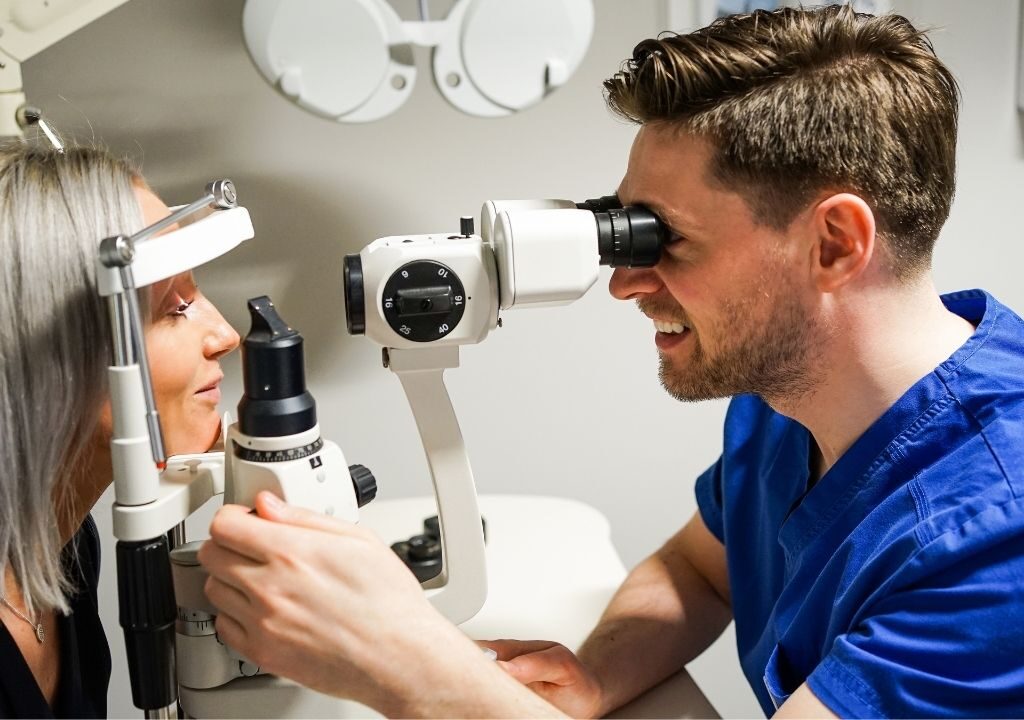
What to Expect During Recovery
- Day 1: You may experience some mild discomfort, such as dryness or a gritty feeling in the eyes. You’ll be given eye drops to alleviate these symptoms.
- Week 1: Vision may fluctuate, but most patients see significant improvement in just a few days. You should avoid strenuous activities like swimming or heavy lifting during this time.
- 1–3 Months: Full recovery usually occurs within 1–3 months. During this time, your eyes will continue to heal, and vision should stabilise.
Most patients are able to enjoy clear vision without the need for glasses or contacts within a few days, and full recovery occurs within a few weeks.
Myth 6: LASIK is Too Expensive for Most People
Fact: LASIK is More Affordable Than You Think
While LASIK may have been considered expensive in the past, the cost has decreased over the years. Thanks to advancements in technology and competition among clinics, LASIK is now more affordable and accessible than ever.
Cost of LASIK Surgery
The cost of LASIK surgery can vary based on location, clinic, and the technology used. However, many clinics offer financing options to make LASIK more affordable. When considering the long-term cost of glasses or contacts, LASIK can often be a more economical choice.
Conclusion
LASIK has come a long way since its inception, and modern advancements in technology have made it a safe, effective, and reliable procedure for vision correction. The myths surrounding LASIK, such as the belief that it’s painful, risky, or only suitable for people with perfect eye health, are simply outdated. With customised LASIK, femtosecond lasers, and short recovery times, LASIK is now more accessible than ever.
If you’re considering LASIK surgery, it’s important to consult with a qualified eye care professional to learn more about your options and whether LASIK is right for you. The freedom from glasses and contacts is within reach – don’t let these myths hold you back from experiencing clearer vision and an improved quality of life.
FAQs
1. Is LASIK surgery painful?
LASIK surgery is not painful, as it is performed under local anaesthesia using numbing eye drops. Most patients experience minimal discomfort during the procedure and only mild irritation or dryness in the days following surgery.
2. Can LASIK treat all types of vision problems?
LASIK can treat nearsightedness, farsightedness, and astigmatism. For presbyopia (age-related vision changes), other procedures like PresbyLASIK or monovision LASIK may be more appropriate.
3. How long does it take to recover from LASIK?
Recovery from LASIK is typically quick. Most patients notice improved vision within 24–48 hours, and the majority of people can return to regular activities in just a few days. Full recovery occurs within 1–3 months.
4. Are there any risks with LASIK?
Like any surgery, LASIK carries some risks, such as dry eyes, glare, or under/over-correction. However, these complications are rare and can often be managed effectively.
5. Is LASIK expensive?
LASIK is more affordable today than in the past, with many clinics offering financing options. Considering the long-term cost savings from glasses and contacts, LASIK can be a more economical choice over time.