
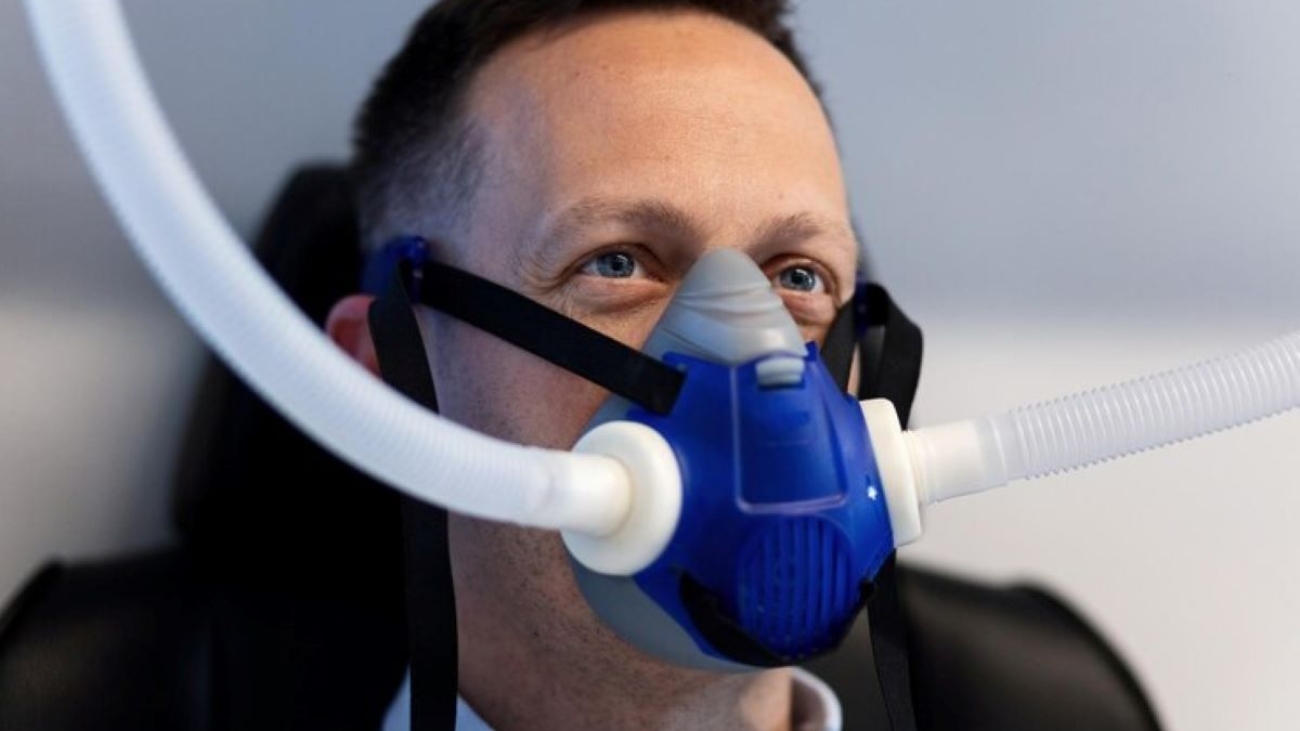
Choosing a CPAP mask in Australia can feel oddly personal. Small differences in fit, noise, hose position, or cushion material can change whether someone sleeps through the night or gives up in frustration.
This guide compares the main CPAP mask brands Australians commonly see through sleep clinics, CPAP retailers, and online stores, with a focus on what still holds true in 2026. It is written to help people narrow down options before they book a mask fitting or order replacements.
Which CPAP mask brands matter most in Australia in 2026?
In Australia in 2026, the most commonly stocked brands are ResMed, Fisher & Paykel (F&P), Philips Respironics (where available), BMC, Löwenstein, and a handful of niche and budget labels. ResMed remains the easiest to find locally, especially for parts, while F&P is a strong alternative for comfort-first designs.
When people search for Top CPAP Mask Brands Compared Which One Suits: Still Accurate in 2026?, these are the names they will keep seeing, mainly because Australian clinics support them and spares are accessible.
What should they compare first: fit, breathing style, or sleeping position?
They should start with breathing style and sleeping position, then confirm fit. Mouth-breathers often need a full face mask or a nasal mask with a chin strap, while side sleepers usually do best with minimal contact designs and flexible frames.
Fit is still the deal-breaker, but comparing mask categories first saves time. A perfect brand will not help if the wrong mask type is chosen.
How do the main mask types change the brand decision?
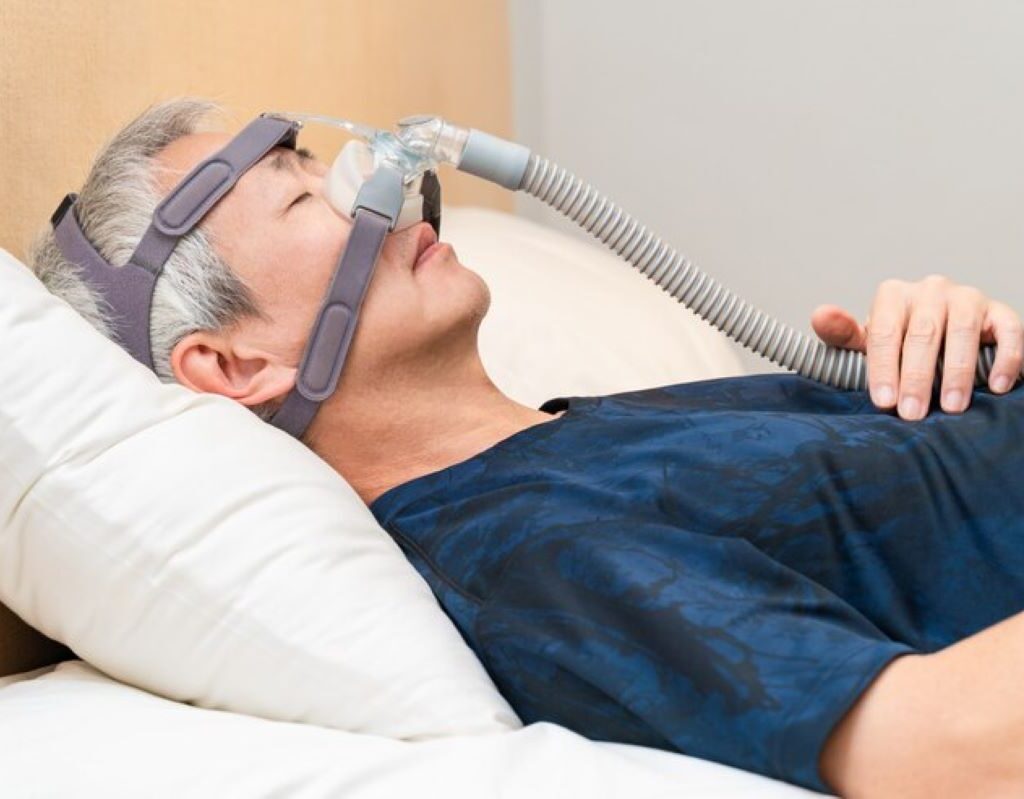
Mask type often matters more than brand. Nasal pillows suit many people who want a lighter feel, nasal masks suit consistent nose-breathers, and full face masks suit those who breathe through the mouth or have frequent congestion.
Most major brands make all three, but they feel different on the face. People revisiting Top CPAP Mask Brands Compared Which One Suits: Still Accurate in 2026? are usually trying to match a mask type to their comfort tolerance, not just a logo.
How does ResMed compare for most Australian CPAP users?
ResMed remains the default option in many Australian settings because parts are widely stocked and sizing systems are familiar to clinicians. Their masks often prioritise stable sealing, quiet venting, and broad compatibility with common CPAP machines sold in Australia.
ResMed’s range also covers most facial shapes with multiple cushion sizes and interchangeable components. That availability is a practical advantage when they need a quick replacement locally.
Who tends to suit ResMed masks best?
They often suit people who want predictable sizing, easy spare parts, and well-established designs that clinics know how to fit. Side sleepers frequently lean toward ResMed’s minimal-contact nasal pillows or under-the-nose cushions, while higher-pressure users may prefer sturdier full face designs.
ResMed is not automatically “best”, but it is frequently the easiest to keep running long term in Australia.
How does Fisher & Paykel compare on comfort and seal?
Fisher & Paykel tends to win fans on softness, facial comfort, and forgiving seals, especially for people who struggle with pressure points. Their cushions often feel gentler across the bridge of the nose, and their headgear can be more flexible for movement.
In an Australian climate, comfort matters because heat and humidity can increase mask irritation. F&P’s comfort-first approach is a reason this comparison stays relevant for Top CPAP Mask Brands Compared Which One Suits: Still Accurate in 2026?.
Who usually does well with Fisher & Paykel masks?
They often suit people with sensitive skin, those who feel “boxed in” by rigid frames, or those who have struggled with nose-bridge soreness. Some users also find F&P full face masks more forgiving if they move a lot overnight.
They may still need a fitting, though, because comfort does not guarantee a seal at their prescribed pressure.
Is Philips Respironics still worth considering in Australia in 2026?
Philips Respironics masks can still be worth considering if they are available through reputable Australian channels and supported with genuine replacement parts. The key is availability, warranty support, and confidence in the supply chain.
Because stock and model availability can vary, they should check whether cushions, frames, and headgear are easy to source locally before committing.
Who tends to choose Philips Respironics masks?
They are often chosen by people who have used Philips gear for years and prefer the feel of their cushions or frame styles. Some users like specific Philips designs for a more open field of view or particular hose routing options.
If continuity and spare parts are uncertain, they may be better served by brands with stronger Australian retail support.
How do BMC masks compare for value in Australia?
BMC is commonly positioned as a value-focused brand, and in Australia it can be attractive for people trying CPAP for the first time or managing costs. Many BMC masks aim to cover the basics: acceptable seal, reasonable comfort, and straightforward sizing.
Value masks can work very well, but they may have fewer cushion options or a less refined feel than premium lines. This is a recurring theme in Top CPAP Mask Brands Compared Which One Suits: Still Accurate in 2026?.
Who should consider BMC masks?
They can suit people who want a budget-friendly backup mask, those who are experimenting with mask types, or those who do not want to spend premium pricing on every replacement cycle. They should still prioritise fit and leak control over price.
If a low-cost mask causes leaks that disturb sleep, the “saving” often disappears quickly.
What about Löwenstein and other European brands in Australia?
Löwenstein masks appear in Australia through select retailers and can appeal to people who want something different from the mainstream feel. They are often well engineered, with a focus on stability and comfort, but local availability can be patchy.
If they choose a less common brand, they should confirm ongoing access to cushions and headgear. Convenience matters when replacements are due every few months.
Which brand is best for side sleepers?
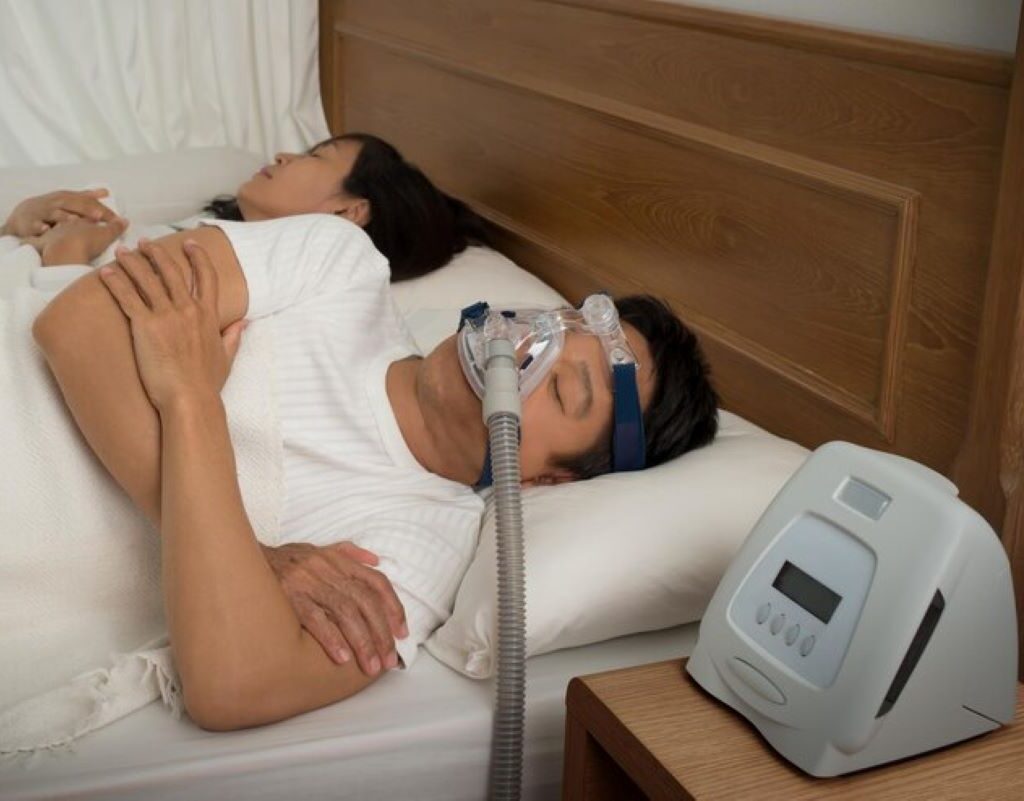
Side sleepers usually do best with minimal bulk at the cheeks, a stable seal when the pillow presses the mask, and flexible hose routing. Many Australians find nasal pillows or under-the-nose nasal cushions work well across major brands.
Rather than chasing a brand name, they should shortlist models designed for movement. When people ask Top CPAP Mask Brands Compared Which One Suits: Still Accurate in 2026?, side sleeping is one of the most common deciding factors.
Which brand is best for mouth-breathers or people with nasal congestion?
Mouth-breathers often need a full face mask or a hybrid style that seals under the nose and over the mouth. Most major brands offer strong options here, but the “best” one is usually the one that seals at their pressure without needing over-tight straps.
In Australia, where allergies and seasonal congestion are common, they may want a full face option as a backup even if they normally use nasal. Check out more about Pollen allergy.
Which brand is best for people with sensitive skin or facial marks?
For sensitive skin, softer cushions, gentle headgear, and correct sizing matter more than the badge. Many people benefit from masks with plush strap covers, less rigid frames, and cushions that distribute pressure evenly.
They should also review cleaning products, as harsh soaps can irritate skin and degrade silicone. Comfort-focused comparisons keep Top CPAP Mask Brands Compared Which One Suits: Still Accurate in 2026? relevant year after year.
Which brand is quietest for them and their partner?
Most modern masks from major brands are quiet when sealed properly, but vent design and leak behaviour make the real difference. A mask that “hisses” is often leaking rather than inherently loud.
They should compare diffused venting, stability when they roll over, and how the mask performs as cushions age. Partner-friendly noise levels often come down to choosing the right style and replacing cushions on time.
Which brand offers the easiest replacement parts in Australia?
ResMed typically leads for easy access to genuine parts in Australia, with F&P also widely supported. For other brands, availability depends on the retailer and whether they stock cushions and headgear locally.
They should check the exact part names and replacement schedule before buying. The best mask is not helpful if a cushion takes weeks to arrive.
How should they choose between “popular” and “best for them”?
They should treat popularity as a supply and support signal, not a comfort guarantee. A popular mask may be popular because clinics stock it and spares are easy to obtain, but their face shape, pressure settings, and sleep habits decide whether it works.
A useful way to read Top CPAP Mask Brands Compared Which One Suits: Still Accurate in 2026? is to look for the brand that supports the mask type they need, with parts they can easily buy in Australia.
What questions should they ask a CPAP retailer or sleep clinic before buying?
They should ask whether they can be fitted, whether cushions are interchangeable, what sizes are included, and what the exchange policy is if the seal fails. They should also ask about replacement part pricing, not just the mask bundle price.
In Australia, return policies vary, and hygiene rules can limit exchanges. Getting clarity upfront prevents expensive trial and error.
How can they tell if a mask problem is the brand or the fit?
If leaks happen only in certain positions, it is usually fit, size, or mask type. If discomfort persists across correct sizes, it may be the cushion shape or frame design, where a different model or brand can help.
They should also check strap tension, CPAP pressure settings, and cushion wear. Many “brand issues” are solved by sizing down, changing cushion type, or replacing worn parts.
See Also : CPAP Mask Online vs in Store Pros and Cons Explained, Revisited
Does the comparison still hold true for 2026 buying decisions?
Yes, the core comparison still holds because the biggest factors have not changed: fit, seal, comfort, spare parts, and local support. What changes year to year is model availability and how easy it is to source genuine replacements in Australia.
That is why people keep revisiting Top CPAP Mask Brands Compared Which One Suits: Still Accurate in 2026? even if they already own a CPAP machine.
What is the simplest way for them to pick the right brand?
They should pick the mask type first, shortlist two brands that are easy to service in Australia, then do a proper fitting or a retailer-supported trial. ResMed and F&P are often the simplest starting points for Australians because parts and support are widely available.
If budget is the priority, BMC can be a sensible trial option, as long as they confirm sizing and replacement access.
What is the bottom line on Top CPAP Mask Brands Compared Which One Suits: Still Accurate in 2026?
The best choice is the one that seals reliably, feels comfortable for their sleep style, and can be maintained with easy-to-buy parts in Australia. ResMed usually wins on availability, F&P often wins on comfort, and other brands can be excellent if supply is dependable.
For most people searching Top CPAP Mask Brands Compared Which One Suits: Still Accurate in 2026?, a short trial with a clear return plan beats guessing based on brand reputation alone.
FAQs (Frequently Asked Questions)
Which CPAP mask brands are most popular in Australia in 2026?
In Australia in 2026, the most commonly stocked CPAP mask brands include ResMed, Fisher & Paykel (F&P), Philips Respironics (where available), BMC, Löwenstein, along with some niche and budget labels. ResMed is widely accessible locally, especially for parts, while F&P is known for comfort-first designs.
What factors should I consider first when choosing a CPAP mask?
You should start by considering your breathing style and sleeping position before focusing on fit. Mouth-breathers often require full face masks or nasal masks with chin straps, whereas side sleepers usually benefit from minimal contact designs with flexible frames. Selecting the correct mask type saves time as even the best brand won’t help if the mask type doesn’t suit your needs.
How do different CPAP mask types influence brand choice?
Mask type often matters more than brand. Nasal pillows offer a lighter feel suitable for many users; nasal masks work well for consistent nose-breathers; and full face masks are ideal for mouth-breathers or those with frequent congestion. Most major brands produce all three types, but their feel varies, so matching mask type to comfort tolerance is key rather than just focusing on the brand logo.
What makes ResMed masks a common choice among Australian CPAP users?
ResMed remains a default option due to widely stocked parts and familiar sizing systems for clinicians. Their masks prioritise stable sealing, quiet venting, and broad compatibility with common CPAP machines in Australia. They also offer multiple cushion sizes and interchangeable components covering most facial shapes, making quick local replacements practical.
Who benefits most from using Fisher & Paykel CPAP masks?
Fisher & Paykel masks suit people with sensitive skin or those who struggle with pressure points as their cushions are softer and gentler on the nose bridge. Their headgear is flexible to accommodate movement during sleep, making them comfortable especially in Australia’s warm climate where heat and humidity can heighten mask irritation.
Are Philips Respironics masks still worth considering in Australia in 2026?
Philips Respironics masks can be worth considering if available through reputable Australian channels with genuine replacement parts and warranty support. However, availability varies so it’s important to confirm local stock of cushions, frames, and headgear before committing to ensure ongoing supply and service.