
What is Expert Sleep Testing and Why is it Important?
Expert sleep testing Melbourne services provide comprehensive diagnostic solutions for individuals struggling with sleep-related problems. These specialized services utilize advanced testing methods to identify the root causes of poor sleep quality, enabling healthcare professionals to develop targeted treatment strategies.
Accurate diagnosis forms the foundation of effective sleep disorder management. Without proper testing, conditions like obstructive sleep apnea (OSA) can remain undetected for years, leading to serious health complications. Sleep testing services in Melbourne employ sophisticated diagnostic tools that measure various physiological parameters during sleep, capturing critical data that reveals underlying issues affecting rest quality.
Obstructive sleep apnea stands as one of the most prevalent sleep disorders diagnosed through expert testing. This condition occurs when the airway becomes partially or completely blocked during sleep, causing breathing interruptions that fragment rest and reduce oxygen levels. Left untreated, OSA contributes to:
- Chronic daytime fatigue and reduced cognitive function
- Increased risk of cardiovascular problems
- Higher likelihood of motor vehicle accidents due to drowsiness
- Decreased quality of life and productivity
Sleep disorders diagnosis extends beyond OSA to encompass conditions like insomnia, restless leg syndrome, and circadian rhythm disorders. Expert sleep testing Melbourne services address this full spectrum of sleep-related challenges, ensuring patients receive accurate assessments regardless of their specific symptoms.
The importance of professional sleep evaluation cannot be overstated. Many people dismiss poor sleep as a normal part of life, unaware that treatable medical conditions may be responsible. Expert sleep testing services near you provide the clarity needed to distinguish between temporary sleep disruptions and chronic disorders requiring medical intervention.
What Types of Sleep Testing Services are Offered in Melbourne?
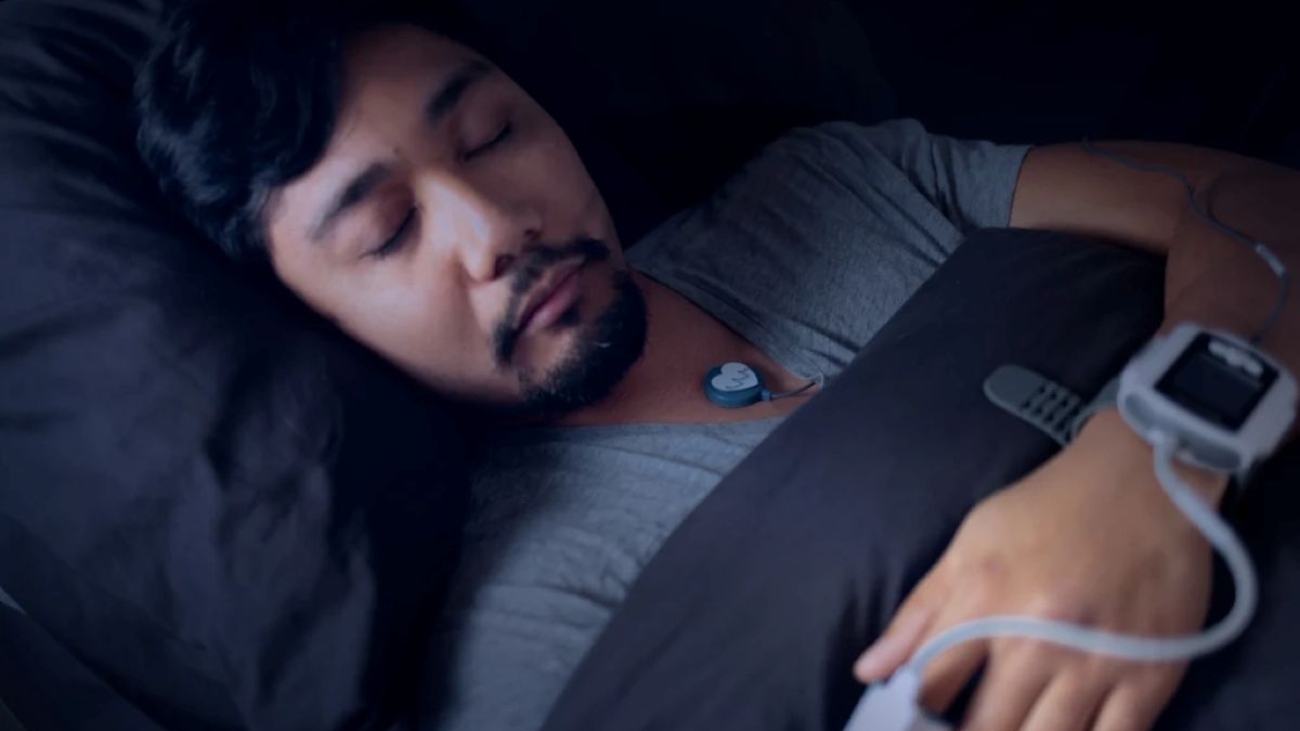
Melbourne providers deliver two primary testing approaches: home-based sleep tests Melbourne and in-clinic assessments, with home studies becoming the preferred option for most patients. Home-based testing allows you to sleep in your own bed while wearing monitoring equipment that tracks breathing patterns, oxygen levels, heart rate, and body position throughout the night.
Home-based sleep studies offer significant advantages for busy individuals. You receive the testing equipment at your doorstep, complete the study overnight, and return the device the next day. This eliminates hospital visits, reduces waiting times, and captures your natural sleep patterns in a familiar environment. The equipment is designed for easy self-application with clear instructions, making the process straightforward even for first-time users.
Specialized Diagnostic Equipment
Advanced sleep disorder tests deployed by Melbourne providers include multi-channel recording devices that measure:
- Nasal and oral airflow to detect breathing interruptions
- Chest and abdominal movement patterns
- Blood oxygen saturation levels
- Heart rate variability
- Snoring intensity and frequency
- Sleep position changes
These comprehensive measurements create a detailed picture of your sleep architecture. The data reveals not just if you have a sleep disorder, but how severe it is and which specific patterns occur during different sleep stages.
Precision in Apnea Detection
Apnea assessments focus specifically on identifying breathing cessations and hypopneas (shallow breathing episodes). The testing equipment records the number of times per hour your breathing stops or becomes significantly reduced. This metric, called the Apnea-Hypopnea Index (AHI), determines whether you have mild, moderate, or severe obstructive sleep apnea.
Advanced sensors distinguish between different types of breathing events:
- Obstructive apneas: Complete airway blockage despite breathing effort
- Central apneas: Lack of breathing effort from the brain
- Mixed apneas: Combination of both types
- Hypopneas: Partial airway restriction causing oxygen drops
Diagnostic Accuracy Through Technology
The combination of home convenience and clinical-grade equipment ensures diagnostic precision. Modern sleep testing devices use the same technology as hospital-based polysomnography but in a streamlined form for home use. As suggested by recent research published in Nature, these advancements not only enhance patient comfort but also significantly improve diagnostic accuracy by leveraging cutting-edge technology.
This means you benefit from:
- Accurate data collection similar to what you’d get in a sleep lab
- The ability to monitor multiple parameters simultaneously (e.g., airflow, oxygen levels)
- Enhanced interpretation capabilities through advanced algorithms
By prioritizing patient comfort and accessibility while delivering reliable diagnoses that inform effective treatment strategies, Melbourne providers are setting a new standard in sleep disorder management.
How do Expert Sleep Physicians Analyze Sleep Test Results?
Independent sleep physicians review your test data using specialized medical expertise to identify patterns and abnormalities in your sleep architecture. These qualified specialists examine multiple data points including breathing patterns, oxygen levels, heart rate variations, and sleep stage transitions to form an accurate diagnosis of your condition.
The analysis process involves correlating physical measurements with your reported symptoms and medical history. Sleep physicians look for specific markers that indicate conditions like obstructive sleep apnea, such as apnea-hypopnea index scores, oxygen desaturation events, and arousal frequencies throughout the night.
What makes the physician’s interpretation valuable?
Independent sleep physicians bring objectivity and depth to result analysis that automated systems cannot replicate. They consider contextual factors including:
- Your age, weight, and overall health status
- Medications that might affect sleep patterns
- Coexisting medical conditions like cardiovascular disease
- Lifestyle factors impacting sleep quality
- Previous treatment attempts and their outcomes
This comprehensive evaluation ensures nothing gets overlooked in your diagnosis.
How are personalized treatment plans developed?
Personalized treatment plans emerge from matching your specific test findings with evidence-based interventions. A patient with mild OSA and positional dependency might receive recommendations for positional therapy and weight management, while someone with severe OSA across all sleep positions typically requires CPAP therapy.
Sleep physicians customize their approach based on your unique sleep disorder profile. For instance, someone experiencing both insomnia and sleep apnea receives a carefully sequenced treatment strategy addressing the apnea first, as untreated breathing disruptions often perpetuate insomnia symptoms.
What tailored approaches exist for different conditions?
OSA patients receive treatment intensity matched to their severity level—ranging from lifestyle modifications for mild cases to advanced positive airway pressure devices for moderate-to-severe presentations. The physician determines optimal pressure settings based on your test data rather than using generic protocols.
Insomnia sufferers benefit from targeted cognitive behavioral therapy recommendations combined with sleep hygiene education specific to their identified problem areas. If your results show difficulty maintaining sleep versus initiating sleep, the intervention strategies differ significantly.
Patients with circadian rhythm disorders receive chronotherapy protocols aligned with their natural sleep-wake patterns revealed through testing. This approach aims to gradually shift the timing of their internal clock to promote better alignment with desired sleep schedules.
What Innovative Techniques are Used in Sleep Testing?
Innovative sleep type tests represent a breakthrough approach that goes beyond traditional diagnostic methods. These assessments identify your unique chronotype—whether you’re naturally a morning person, night owl, or somewhere in between—and analyze how your biological rhythms influence sleep quality. Expert Sleep Testing Melbourne Services Near You incorporate these advanced evaluations to build a complete picture of your sleep patterns.
Understanding your individual sleep preferences transforms treatment effectiveness. When sleep physicians recognize your natural tendencies, they can time interventions to align with your body’s internal clock. A person with a delayed sleep phase, for example, might struggle with standard sleep advice designed for early risers. Identifying these preferences allows specialists to recommend schedules and routines that work with your biology rather than against it.
The data gathered from innovative sleep type tests reveals:
- Optimal sleep and wake times based on your circadian rhythm
- Peak alertness periods throughout the day
- Natural energy fluctuations that affect daily functioning
- Vulnerability windows when sleep disruption has the greatest impact
Tailored recommendations extend far beyond medication or devices. Sleep specialists use your test results to customize every aspect of your sleep environment—from lighting schedules that support your chronotype to temperature adjustments that match your body’s thermal patterns. A night-oriented individual might benefit from blackout solutions and delayed morning light exposure, while an early chronotype requires different environmental modifications.
Habit customization based on sleep type testing produces measurable improvements. Patients receive specific guidance on exercise timing, meal schedules, and caffeine consumption aligned with their biological rhythms. Someone with an intermediate chronotype might exercise effectively in late afternoon, while this same timing could disrupt sleep for an early chronotype. These personalized strategies address the root causes of poor sleep rather than applying generic solutions.
Which Sleep Disorders are Commonly Diagnosed Through These Services?
Primary Sleep Disorders Detected
Expert testing services routinely identify several distinct sleep conditions:
- Central Sleep Apnea – breathing stops due to lack of respiratory effort rather than airway blockage
- Sleep-Related Hypoventilation – inadequate breathing leading to elevated carbon dioxide levels
- Periodic Limb Movement Disorder – repetitive cramping or jerking of legs during sleep
- Restless Legs Syndrome – uncomfortable sensations creating an irresistible urge to move legs
- Narcolepsy – excessive daytime sleepiness with sudden sleep attacks
- Circadian Rhythm Disorders – misalignment between internal body clock and desired sleep schedule
Secondary Sleep Disturbances
Comprehensive sleep disorder solutions extend beyond primary sleep conditions to identify underlying factors disrupting rest. Testing can reveal how chronic pain, anxiety, depression, or medication side effects contribute to poor sleep quality. Respiratory conditions like asthma or chronic obstructive pulmonary disease often worsen during sleep, and specialized testing captures these nocturnal breathing patterns.
Parasomnias such as sleepwalking, night terrors, and REM sleep behavior disorder also come under the diagnostic umbrella. These unusual behaviors during sleep require careful assessment to distinguish them from seizure disorders or other neurological conditions. Sleep physicians analyze movement patterns, brain activity, and behavioral episodes captured during testing to provide accurate diagnoses.

How Do Providers Support Patients Throughout Their Sleep Journey?
Expert sleep testing providers in Melbourne deliver ongoing treatment support that extends far beyond the initial diagnosis. Patients receive continuous guidance from their first consultation through treatment implementation and regular follow-up consultations, ensuring their sleep therapy remains effective and adjustments are made as needed.
Comprehensive Care from Start to Finish
The support structure begins immediately after diagnosis results are available. Sleep physicians review findings with patients, explaining test results in accessible language and outlining treatment options specific to their condition. This initial consultation establishes a foundation for long-term care relationships.
Follow-up consultations occur at strategic intervals to monitor treatment effectiveness. During these appointments, physicians assess:
- Treatment adherence and any challenges patients face
- Changes in sleep quality and daytime functioning
- Equipment performance for those using CPAP therapy
- Side effects or complications requiring intervention
- Adjustments needed to optimize therapeutic outcomes
Patient Education as a Core Component
Patient education on sleep hygiene forms a critical element of the support framework. Providers recognize that successful treatment requires patients to understand both their condition and the lifestyle factors influencing sleep quality.
Educational sessions cover practical strategies patients can implement immediately:
- Establishing consistent sleep and wake times
- Creating optimal bedroom environments (temperature, lighting, noise control)
- Managing screen time and blue light exposure before bed
- Understanding the relationship between diet, exercise, and sleep
- Recognizing warning signs that require medical attention
Many Melbourne providers offer educational resources in multiple formats—printed materials, digital guides, and video content—allowing patients to learn at their own pace and revisit information as needed.
Personalized Support for Treatment Challenges
Sleep therapy adherence presents challenges for many patients, particularly those new to CPAP equipment. Providers offer specialized support services addressing common obstacles:
Equipment troubleshooting sessions help patients adjust masks, manage air pressure discomfort, and resolve technical issues. Dedicated support staff remain accessible via phone or email to address concerns between scheduled appointments.
Behavioral coaching assists patients struggling with treatment compliance. Sleep specialists work with individuals to identify barriers—whether physical discomfort, psychological resistance, or practical scheduling conflicts—and develop customized solutions.
Monitoring progress through data analysis is another key aspect of patient support. Modern sleep therapy equipment generates detailed usage data that providers review during follow-up consultations. This objective information complements subjective reports from patients, enabling more accurate assessments of treatment effectiveness.
Data analysis allows providers to identify patterns:
- Are patients consistently using their devices?
- Are there specific nights or weeks when adherence drops?
- What impact does usage have on reported sleep outcomes?
By combining clinical expertise with data-driven insights, providers can make informed decisions about ongoing care plans—whether reinforcing existing strategies or introducing new interventions based on individual needs.
See Also : The Best Clinics for Sleep Testing Perth
How Do Sleep Testing Services Collaborate with General Practitioners?
Sleep testing services in Melbourne work closely with GPs through a streamlined referral system that makes accessing diagnostic care straightforward. Patients typically begin their journey by discussing sleep concerns with their general practitioner, who can then provide a referral to specialized sleep testing services based on symptoms like chronic snoring, daytime fatigue, or witnessed breathing pauses during sleep.
The referral process involves several key steps:
- Initial consultation with your GP to discuss sleep-related symptoms and concerns
- Medical history review to identify potential risk factors for sleep disorders
- GP completes a referral form detailing relevant health information and suspected conditions
- Referral submission to the sleep testing service for appointment scheduling
Many Expert Sleep Testing Melbourne Services Near You now offer referral downloads Melbourne options that simplify the entire process. These downloadable forms can be accessed directly from provider websites, allowing GPs to complete and submit referrals electronically. This digital approach eliminates delays associated with traditional paper-based systems and speeds up patient access to diagnostic services.
The benefits of this integrated healthcare approach extend beyond convenience. When GPs and sleep specialists collaborate effectively, patients receive:
- Coordinated care that considers their complete medical history
- Faster diagnosis and treatment initiation
- Seamless communication between healthcare providers about test results
- Better management of coexisting conditions that may affect sleep quality
GP referrals for sleep testing ensure that sleep specialists receive essential background information before the first appointment. This includes details about medications, existing health conditions like diabetes or heart disease, and previous treatment attempts. Such comprehensive information enables sleep physicians to interpret test results within the broader context of each patient’s health profile.
The downloadable referral system particularly benefits patients in regional areas of Melbourne who may face longer wait times. By enabling quick electronic submission, these forms help prioritize cases based on symptom severity and medical urgency. Patients can often begin home-based sleep studies within days of their GP visit rather than waiting weeks for traditional referral processing.
This collaborative model between general practitioners and sleep testing services creates a safety net for identifying serious conditions. GPs familiar with their patients’ overall health can recognize subtle signs of sleep disorders that might otherwise go unnoticed, while sleep specialists provide the technical expertise needed for accurate diagnosis and treatment planning.
Moreover, this partnership reflects a broader trend towards patient-centered care, where the focus is on tailoring healthcare services to meet individual patient needs. This approach not only enhances the quality of care but also significantly improves patient satisfaction and outcomes.
What Treatment Options are Available After Diagnosis?
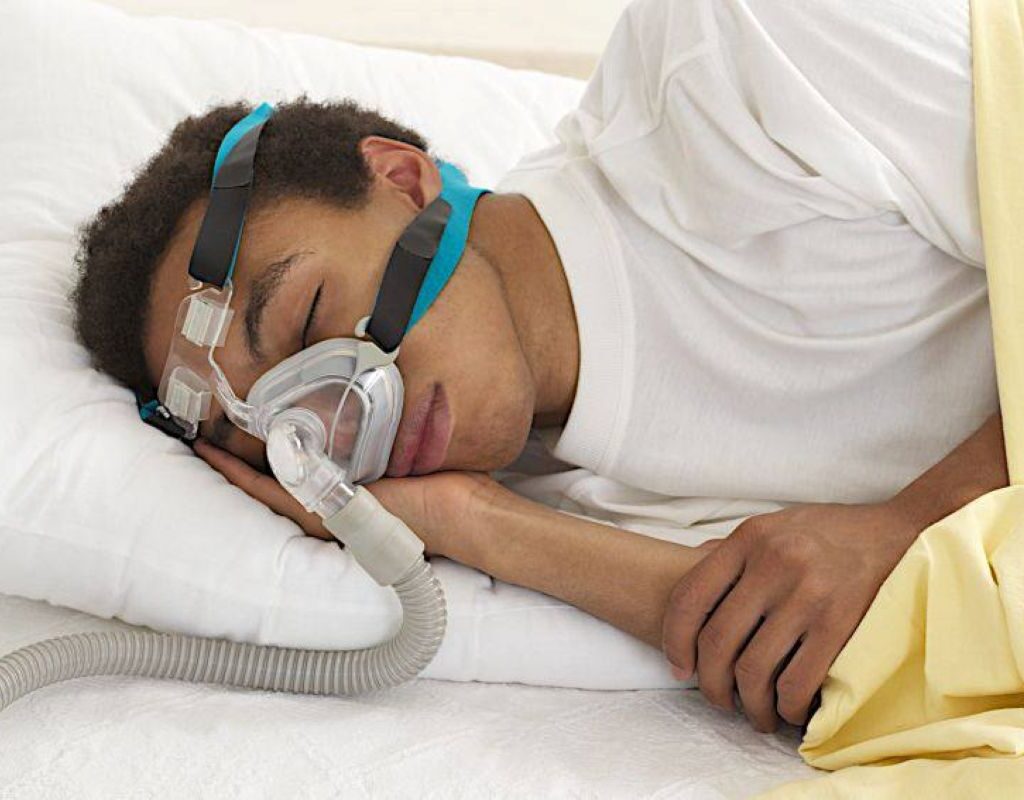
CPAP therapy Melbourne services form the cornerstone of treatment for diagnosed obstructive sleep apnea, providing patients with specialized equipment and ongoing support to manage their condition effectively. Sleep testing providers connect patients with CPAP machines, masks, and accessories while offering training sessions to ensure proper usage and comfort from the first night.
The comprehensive care for OSA extends beyond equipment provision. Patients receive regular follow-up appointments to monitor therapy effectiveness, adjust pressure settings, and address any challenges with mask fit or machine operation. Many Melbourne providers maintain dedicated CPAP support teams who assist with:
- Equipment troubleshooting and maintenance guidance
- Mask fitting adjustments for optimal seal and comfort
- Pressure setting modifications based on therapy data
- Replacement supplies and accessories as needed
- Insurance and funding assistance navigation
Personalized treatment options vary significantly depending on the specific sleep disorder diagnosed and individual patient circumstances. For mild to moderate OSA cases, some patients benefit from mandibular advancement devices—custom-fitted oral appliances that reposition the jaw during sleep to maintain open airways.
Positional therapy proves effective for individuals whose sleep apnea occurs primarily when sleeping on their backs. Specialized devices and techniques help train patients to maintain side-sleeping positions throughout the night, reducing apnea episodes without requiring CPAP equipment.
Lifestyle modification programs address underlying factors contributing to sleep disorders. Weight management support, smoking cessation guidance, and alcohol consumption counseling can significantly improve sleep quality and reduce OSA severity in many patients.
For insomnia diagnoses, cognitive behavioral therapy for insomnia (CBT-I) offers a non-pharmaceutical approach that addresses thought patterns and behaviors affecting sleep. This evidence-based treatment helps patients develop sustainable sleep habits without relying on medication.
Surgical interventions remain an option for specific anatomical issues causing airway obstruction. Sleep physicians collaborate with ear, nose, and throat specialists to evaluate whether procedures like uvulopalatopharyngoplasty or nasal surgery might benefit particular patients who haven’t responded to conservative treatments.
Combination approaches often yield the best results. A patient might use CPAP therapy while simultaneously working on weight loss and sleep hygiene improvements, creating multiple pathways to better sleep quality and reduced apnea severity.
Why Choose Expert Sleep Testing Services Near You in Melbourne?
What makes local expert sleep testing services the right choice for your sleep health?
Accessing local expert sleep testing services in Melbourne eliminates the stress of long-distance travel when you’re already struggling with sleep issues. Nearby providers offer same-day or next-day appointments in many cases, reducing the waiting time that can worsen your condition. When you choose services close to home, follow-up consultations become manageable, allowing you to maintain consistent care without disrupting your daily routine.
How does proximity to expert services improve your treatment outcomes?
Local sleep testing centers understand Melbourne’s unique lifestyle factors that may affect your sleep patterns. These providers can quickly respond to urgent concerns or equipment adjustments, particularly important when starting CPAP therapy. The convenience of nearby locations means you’re more likely to attend all recommended appointments and maintain long-term engagement with your treatment plan.
What commitment do Melbourne sleep testing services make to patient care?
Expert Sleep Testing Melbourne Services Near You prioritize patient-centered care that extends beyond diagnosis. These services dedicate themselves to empowering you with knowledge about your specific sleep disorder and actionable strategies for improvement. Providers invest time in understanding your lifestyle, work schedule, and personal challenges that impact sleep quality.
The focus on restorative sleep solutions Melbourne residents receive includes:
- Personalized education about your unique sleep architecture
- Practical guidance for optimizing your bedroom environment
- Ongoing support through phone consultations and in-person reviews
- Access to multidisciplinary teams including sleep physicians, therapists, and equipment specialists
Why does the local approach matter for achieving quality sleep?
Melbourne-based sleep testing services recognize that sustainable sleep improvement requires more than a one-time diagnosis. They build relationships with patients, tracking progress over months and years to ensure treatments remain effective. This commitment to your sleep journey transforms how you experience rest, energy, and daily functioning—making the choice of local expertise an investment in your long-term health and quality of life.