
Why Is Sleep Testing Important and Which Are the Best Clinics in Perth?
Sleep testing provides the diagnostic foundation needed to identify and treat disorders that silently erode your health. Without accurate testing, conditions like obstructive sleep apnea, insomnia, and narcolepsy often go undiagnosed for years, leading to serious complications including cardiovascular disease, diabetes, and cognitive decline.
Professional sleep testing Perth facilities use advanced monitoring equipment to capture detailed data about your sleep patterns, breathing, and brain activity. These comprehensive assessments reveal the root causes of sleep disturbances that simple questionnaires or home observations cannot detect. For instance, understanding how a sleep study works can provide valuable insights into the process.
The diagnostic precision offered by specialized clinics transforms treatment outcomes. When sleep specialists analyze your overnight study results, they can pinpoint specific disorders and tailor interventions to your unique physiology. This personalized approach means you receive treatments that actually work rather than generic solutions.
The best sleep clinics in Perth distinguish themselves through several key factors:
- Experienced sleep physicians and technologists
- State-of-the-art diagnostic technology
- Comprehensive treatment options beyond basic CPAP therapy
- Ongoing patient support and education
- Convenient testing options including home-based studies
This guide examines the best clinics for sleep testing Perth has to offer, exploring what sets leading facilities apart. You’ll discover how these clinics conduct diagnostic studies, what to expect during the referral process, and which treatment pathways might suit your specific sleep disorder. Understanding your options empowers you to make informed decisions about your sleep health and choose a clinic that aligns with your needs.
1. What Types of Sleep Disorders Are Diagnosed at Perth Sleep Clinics?
Perth sleep clinics diagnose a wide range of sleep disorders, with obstructive sleep apnea, insomnia, narcolepsy, and restless leg syndrome being among the most common conditions identified through specialized testing. Each disorder presents unique symptoms and requires specific diagnostic approaches to ensure accurate identification and appropriate treatment planning.
Obstructive Sleep Apnea
Obstructive sleep apnea occurs when throat muscles intermittently relax and block the airway during sleep, causing repeated breathing interruptions throughout the night. Patients experience loud snoring, gasping for air, morning headaches, and excessive daytime fatigue. This condition increases the risk of high blood pressure, heart disease, stroke, and type 2 diabetes. Left untreated, severe cases can lead to dangerous drops in blood oxygen levels and place significant strain on the cardiovascular system.
Insomnia Diagnosis
Insomnia diagnosis involves identifying persistent difficulty falling asleep, staying asleep, or waking too early despite having adequate opportunity for rest. Chronic insomnia affects concentration, memory, mood regulation, and immune function. People with insomnia often experience irritability, depression, and reduced productivity at work or school. The condition can stem from stress, medical conditions, medications, or poor sleep habits, requiring thorough evaluation to determine underlying causes.
Narcolepsy Testing
Narcolepsy testing identifies a neurological disorder characterized by overwhelming daytime drowsiness and sudden attacks of sleep. Patients may experience cataplexy (sudden muscle weakness triggered by emotions), sleep paralysis, and vivid hallucinations when falling asleep or waking. This condition dramatically impacts daily functioning, making activities like driving or operating machinery potentially dangerous. People with narcolepsy struggle to maintain employment, relationships, and independence without proper diagnosis and management.
Restless Leg Syndrome
Restless leg syndrome creates uncomfortable sensations in the legs accompanied by an irresistible urge to move them, particularly during evening hours and rest periods. The sensations—described as crawling, tingling, or aching—disrupt sleep onset and maintenance. Patients experience fragmented sleep, daytime exhaustion
2. How Do Sleep Testing Clinics in Perth Conduct Diagnostic Studies?
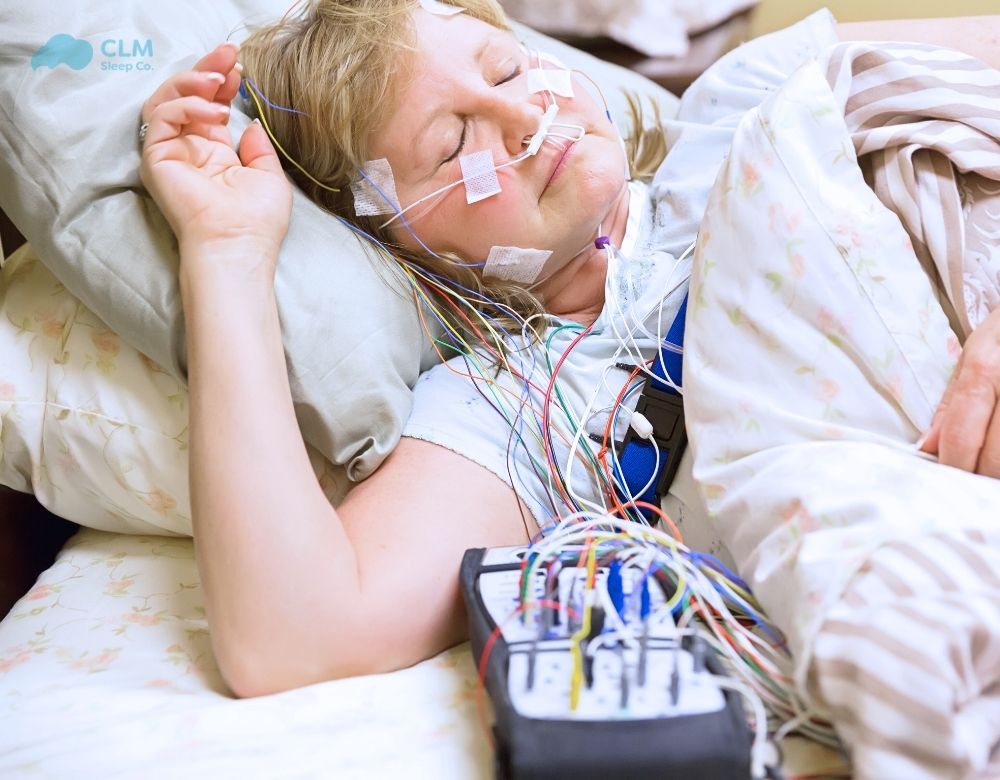
Perth sleep clinics conduct diagnostic studies through polysomnography Perth facilities, where patients spend a night in a comfortable, hotel-like room equipped with sophisticated monitoring technology. The overnight sleep study involves attaching multiple sensors to different parts of the body while you sleep naturally.
What Equipment Is Used During an Overnight Sleep Study?
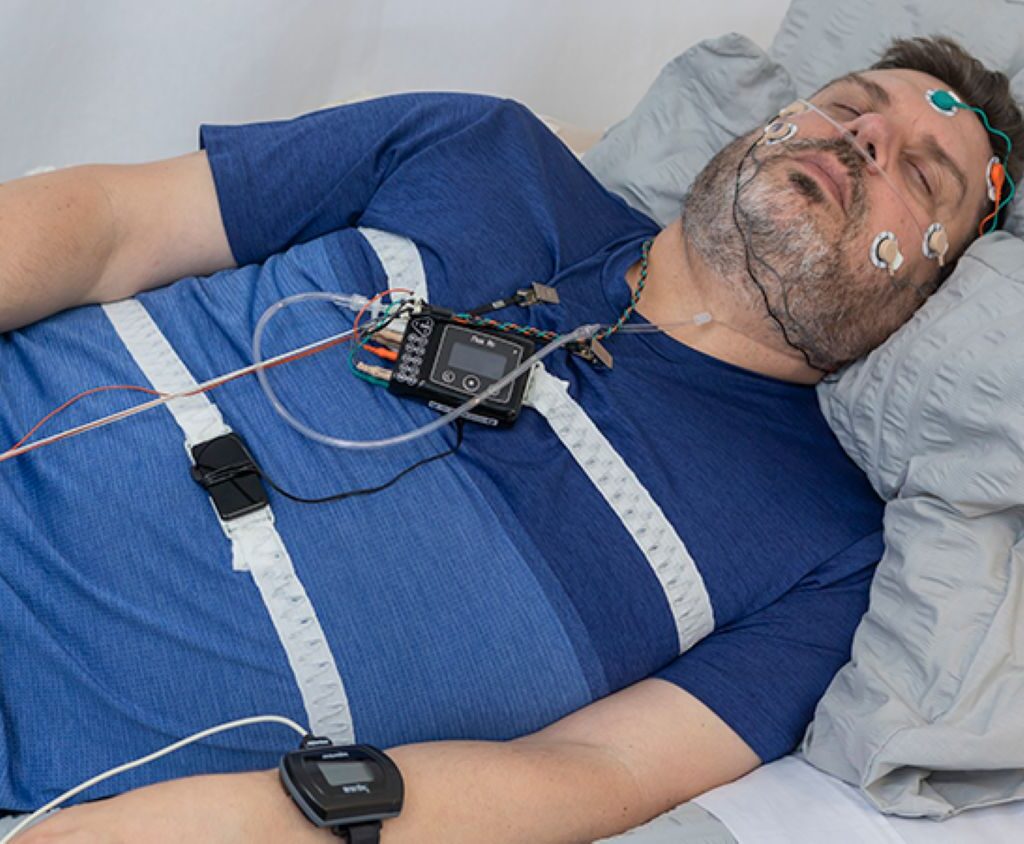
The diagnostic setup includes sensors strategically placed on your scalp to record brain wave activity, electrodes on your face to track eye movements and muscle tension, bands around your chest and abdomen to measure breathing effort, and a clip on your finger to monitor oxygen saturation levels. Additional sensors on your legs detect movement patterns that might indicate restless leg syndrome or periodic limb movement disorder.
These devices are non-invasive and painless. The wires connect to a central monitoring system that records data throughout the night, capturing every aspect of your sleep architecture from the moment you drift off until you wake.
What Does the Monitoring Process Track?
The polysomnography Perth clinics monitor several critical physiological functions simultaneously:
- Brain waves (EEG) to identify sleep stages and detect abnormalities
- Heart rate and rhythm (ECG) to assess cardiovascular function during sleep
- Breathing patterns including airflow, respiratory effort, and oxygen levels
- Body movements and muscle activity that may disrupt sleep quality
- Snoring sounds and their intensity throughout the night
This comprehensive data collection allows sleep specialists to identify breathing interruptions, unusual brain activity, movement disorders, and other abnormalities that occur specifically during sleep.
Are Home-Based Sleep Testing Options Available?
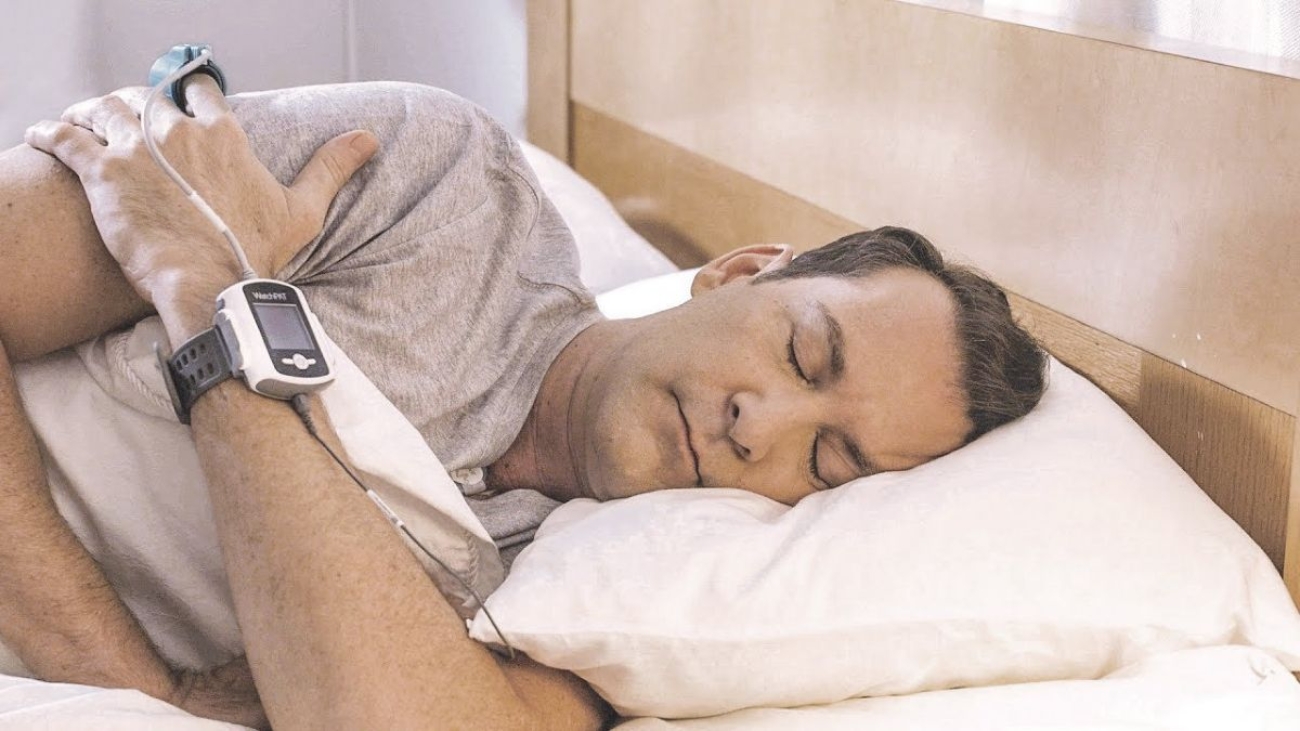
Many Perth clinics now offer home-based sleep testing as a convenient alternative for patients who prefer sleeping in their own environment. These portable devices typically monitor breathing, oxygen levels, heart rate, and body position using simplified equipment you can set up yourself.
Home testing works particularly well for diagnosing obstructive sleep apnea in patients with clear symptoms and no complicating medical conditions. The devices are smaller and less intrusive than full laboratory equipment, making them ideal for those who find clinic environments uncomfortable or have mobility challenges.
Clinics provide detailed instructions for device placement and collection. While home studies don
3. What Is the Referral and Appointment Process for Sleep Testing in Perth?
The journey to sleep testing begins with your general practitioner who will assess your symptoms and determine whether a sleep study is medically necessary. Your GP will complete a GP referral for sleep study that includes your medical history, current symptoms, and any relevant health conditions that might affect your sleep.
How Do You Submit Your Referral?
Once your doctor completes the referral form, you can submit it directly to your chosen sleep clinic through multiple channels. Most Perth clinics accept referrals via:
- Email or secure online portal
- Fax transmission
- Physical delivery to the clinic reception
- Mail service
The clinic’s administrative team typically acknowledges receipt within 1-2 business days and begins reviewing your case to determine the most appropriate testing protocol.
What Happens During the Appointment Scheduling Phase?
After reviewing your referral, the clinic contacts you to discuss available appointment times and answer preliminary questions about the testing process. The appointment process Perth clinics follow includes explaining the type of study recommended, whether in-lab or home-based, and providing an estimated timeline for results.
Wait times vary depending on the clinic’s capacity and the urgency of your case. Patients with severe symptoms or significant health risks may receive priority scheduling. Standard appointments typically become available within 2-6 weeks of referral submission.
How Should You Prepare Before Your Sleep Study?
Preparation instructions arrive before your scheduled appointment, either through email, phone call, or postal mail. The Best Clinics for Sleep Testing Perth provide detailed guidelines to ensure accurate test results:
On the day of your study:
- Wash and dry your hair without using conditioners, oils, or styling products that interfere with sensor adhesion
- Avoid caffeine after 2 PM to prevent artificial sleep disruption
- Continue taking regular medications unless specifically instructed otherwise
- Bring comfortable sleepwear and any items that help you sleep normally
For evening appointments:
- Eat a normal dinner before arriving at the clinic
- Pack toiletries for your morning routine
- Bring reading material or entertainment for the pre-sleep period
- Arrive 30-60 minutes before your scheduled bedtime to allow setup time
4. What Treatment Options Do These Clinics Offer After Diagnosis?
Perth sleep clinics provide targeted treatments based on your specific diagnosis, ranging from medical devices to behavioral interventions and medications. The treatment plan depends on the type and severity of your sleep disorder, with many patients benefiting from a combination approach.
CPAP Therapy Perth
Continuous Positive Airway Pressure (CPAP) therapy remains the gold standard treatment for obstructive sleep apnea at Perth clinics. The device delivers pressurized air through a mask worn during sleep, keeping airways open and preventing breathing interruptions. Modern CPAP machines feature:
- Adjustable pressure settings tailored to individual needs
- Heated humidifiers to reduce nasal dryness
- Quiet operation for minimal sleep disruption
- Data tracking capabilities to monitor therapy compliance
Clinics provide comprehensive CPAP setup services, including initial mask fitting sessions where specialists help you find the most comfortable style—whether nasal masks, full-face options, or nasal pillow designs.
Behavioral Therapy Insomnia
Cognitive Behavioral Therapy for Insomnia (CBT-I) addresses chronic sleep difficulties through structured psychological approaches. Perth sleep clinics offer this evidence-based treatment either individually or in group settings. The therapy focuses on:
- Sleep restriction techniques that limit time in bed to actual sleep duration
- Stimulus control to strengthen the association between bed and sleep
- Cognitive restructuring to challenge unhelpful thoughts about sleep
- Relaxation training including progressive muscle relaxation and breathing exercises
CBT-I typically spans 6-8 sessions and produces lasting improvements without medication dependency. Many patients experience significant sleep quality improvements within the first few weeks.
Medication Narcolepsy Treatment
Narcolepsy requires pharmaceutical management to control excessive daytime sleepiness and cataplexy episodes. Perth specialists prescribe:
- Modafinil or armodafinil to promote wakefulness during daytime hours
- Sodium oxybate for nighttime consolidation and cataplexy prevention
- Selective serotonin reuptake inhibitors (SSRIs) to manage cataplexy symptoms
5. How Do Perth Sleep Clinics Support Patients During Treatment?
Perth sleep clinics provide comprehensive patient support that extends well beyond the initial diagnosis. Patients receive personalized assistance throughout their treatment journey, with dedicated teams available to address concerns and optimize therapy effectiveness.
What Ongoing Support Services Are Available?
CPAP mask fitting Perth services represent a cornerstone of patient support at these clinics. Sleep specialists conduct detailed fitting sessions to ensure patients receive the most comfortable and effective mask style for their facial structure and sleeping preferences. Clinics offer multiple follow-up appointments to adjust equipment settings, troubleshoot common issues like air leaks or discomfort, and swap mask types if needed.
Patient support sleep therapy programs include:
- Regular check-ins during the first three months of treatment
- 24/7 helplines for urgent equipment concerns
- Access to respiratory therapists for technical guidance
- Replacement supplies and equipment maintenance services
- One-on-one consultations to address therapy compliance challenges
What Educational Resources Do Clinics Provide?
Sleep clinics in Perth equip patients with extensive educational materials explaining how untreated sleep disorders impact overall health. These resources detail the connections between poor sleep quality and serious medical conditions, helping patients understand why consistent treatment matters.
Educational programs cover:
- Cardiovascular risks including hypertension, heart attack, and stroke
- Metabolic consequences such as diabetes and obesity
- Cognitive impairment affecting memory, concentration, and decision-making
- Mental health effects including depression and anxiety disorders
- Immune system weakening that increases infection susceptibility
Why Does Continuous Care Improve Treatment Outcomes?
Long-term monitoring and support significantly enhance therapy success rates. Clinics track patient progress through regular data downloads from CPAP machines, identifying usage patterns and potential problems before they lead to treatment abandonment. This proactive approach allows specialists to intervene early with solutions tailored to individual challenges.
Patients who engage with continuous care programs demonstrate:
- Higher therapy compliance rates exceeding 85%
- Faster symptom improvement and quality of life gains
- Better management of co-existing health conditions
- Reduced emergency healthcare visits related to sleep disorders
- Sustained treatment adherence over multiple years
6. Are Sleep Testing Services Covered by Insurance in Perth?
Most private health insurance plans in Australia provide coverage for medically necessary sleep studies when referred by a doctor. The extent of insurance coverage for sleep studies in Perth depends on your specific policy level, with hospital cover typically including diagnostic sleep testing and treatment for conditions like obstructive sleep apnea.
What Do Standard Insurance Policies Cover?
Standard hospital insurance policies usually cover:
- Overnight polysomnography conducted in accredited sleep laboratories
- Consultation fees with sleep specialists
- CPAP equipment and supplies (often with annual limits)
- Follow-up appointments for treatment adjustments
- Home sleep apnea testing when deemed appropriate by specialists
Medicare provides rebates for eligible sleep studies and specialist consultations, though gap fees may apply. Patients with chronic conditions affecting sleep quality may qualify for enhanced Medicare benefits through Chronic Disease Management plans.
How Do Clinics Help Verify Your Benefits?
The Best Clinics for Sleep Testing Perth employ dedicated administrative staff who contact insurance providers directly on behalf of patients. These teams verify coverage details before scheduling appointments, providing clear information about expected costs and payment responsibilities.
Clinics typically request your insurance membership number and policy details during initial contact. They submit pre-authorization requests to insurers, confirming whether your specific test qualifies for coverage under your plan. This process usually takes 2-5 business days and prevents unexpected billing surprises.
Many facilities offer itemized quotes showing the total procedure cost, anticipated insurance payment, and your estimated contribution. This transparency allows patients to make informed decisions about proceeding with testing.
What Are Common Out-of-Pocket Expenses?
Out-of-pocket costs for sleep clinic visits vary significantly based on insurance coverage and chosen provider. Patients without private insurance may face fees ranging from $800 to $1,500 for comprehensive overnight studies, though Medicare rebates reduce this amount substantially.
Common expenses include:
- Specialist consultation gap fees ($50-$200 per visit)
- Equipment rental or purchase costs not fully covered by insurance
- Replacement supplies for CPAP therapy (masks, filters, tubing)
- Additional testing if initial results require further investigation
Some clinics offer payment plans for patients facing financial constraints, spreading costs over several months. Bulk-billing options are also available. It’s important to note that sleep testing services can significantly improve the diagnosis and management of various sleep disorders, leading to better overall health outcomes.
7. Which Are Considered the Best Clinics for Sleep Testing in Perth?
The best sleep clinics Perth are distinguished by their specialist credentials, cutting-edge diagnostic equipment, and comprehensive patient care programs. Evaluating top-rated sleep disorder centers requires examining multiple factors that directly impact diagnosis accuracy and treatment success.
Key Evaluation Criteria
1. Specialist Expertise
Specialist Expertise stands as the primary consideration when identifying leading facilities. Clinics staffed by sleep physicians certified by the Australasian Sleep Association demonstrate advanced training in sleep medicine. These specialists interpret complex polysomnography data and develop individualized treatment protocols based on years of focused experience.
2. Diagnostic Technology
Diagnostic Technology separates exceptional clinics from average providers. The best facilities invest in:
- High-resolution polysomnography systems that capture detailed physiological data
- Multiple testing rooms designed for patient comfort during overnight studies
- Home sleep testing equipment for patients requiring convenient alternatives
- Video monitoring capabilities to correlate movements with sleep stages
- Advanced scoring software that identifies subtle sleep architecture disruptions
3. Patient Support Infrastructure
Patient Support Infrastructure reveals a clinic’s commitment to long-term outcomes. Superior centers provide dedicated CPAP technicians, respiratory therapists, and sleep nurses who guide patients through treatment adaptation. Access to same-day equipment adjustments and 24/7 troubleshooting support distinguishes premium services from basic offerings.
Characteristics of Leading Perth Facilities
Established sleep centers in Perth’s metropolitan area typically maintain accreditation from the National Association of Testing Authorities (NATA). This certification confirms adherence to rigorous quality standards for diagnostic procedures and equipment calibration.
Multidisciplinary Approach characterizes top-performing clinics. These facilities coordinate care between sleep physicians, respiratory specialists, psychologists for cognitive behavioral therapy, and dental professionals for oral appliance therapy. Integrated care models reduce treatment delays and improve patient compliance rates.
Research Participation often indicates clinical excellence. Facilities conducting sleep research trials demonstrate commitment to advancing treatment methodologies. Patients at research-active clinics may access emerging therapies before widespread availability.
Location and Accessibility Factors
Perth’s best sleep clinics maintain strategic locations across northern and southern suburbs, reducing travel burden for patients requiring multiple visits. Facilities near major hospitals benefit from immediate access to emergency services and specialist consultations when necessary.
Conclusion
Sleep disorders can silently harm your health, relationships, and daily performance, but there’s hope. The Best Clinics for Sleep Testing Perth offer precise diagnoses and expert treatments to help you regain restorative sleep.
Professional help can change lives in ways many patients never expected. It’s not just about stopping snoring or reducing daytime tiredness; it’s also about preventing serious health issues like heart disease, stroke, and metabolic disorders through proper diagnosis and treatment. The specialists at Perth’s top sleep clinics know that improving sleep health Perth involves more than just finding a problem—it requires comprehensive solutions designed for your unique body and lifestyle.
At these facilities, sleep disorders receive personalized care that addresses both medical and practical aspects of treatment. From initial testing to long-term management, experienced teams will support you every step of the way—answering your questions, making adjustments as needed, and celebrating improvements in your sleep quality.
To start on the path towards better health, get a referral from your GP. Don’t ignore persistent tiredness, loud snoring, or restless nights as normal parts of aging or stress. These symptoms often indicate treatable conditions that respond well to modern interventions.
Remember, quality sleep isn’t a luxury—it’s something your body needs to function properly. It impacts every system in your body. With advanced diagnostic technology, evidence-based treatments, and compassionate support available at Perth’s specialized sleep clinics, you can achieve the restorative sleep your body craves.
Take action now! Schedule an appointment at one of these clinics today and experience firsthand how significantly better sleep can enhance your energy levels, mood stability, and overall wellbeing.
More to Read : Expert Sleep Testing Melbourne Services Near You